 Transformative Justice in the Syrian Transition
  Strategic Pragmatism: A New Approach to European Engagement in Africa
  Special Issue “Role of AI and Automated Decision-Making Systems in Asylum and Migration”
  De Jure Compliance, De Facto Resistance: The Persistence of Elite Power and Institutional Reform in EU Candidate States
 Security and Defense Working Group
The aim of the EST Working Group on Security and Defence is to provide analyses on past and present issues that have a relevant role in shaping security policies across Europe and more in general the Atlantic Allies at multiple levels. In other words, our strategy is to understand what security and defence challenges the EU is facing, and how it positions itself on these issues. Therefore, the Working Group studies the European security regime and its relations with NATO as well as several aspects of European foreign policy, such as EU external missions or relations with other states. All in all, giving voice to young researchers and engaging with the views of the youth in Europe is also a central objective. We seek to present research in a way that is informative for younger audiences and also expresses the views of the youth to policymakers. Lastly, we will collaborate with other EST Working Groups to produce research and organise events (seminar, webinar, podcast, Q&A).
Head of the Working Group – Agata Bidas
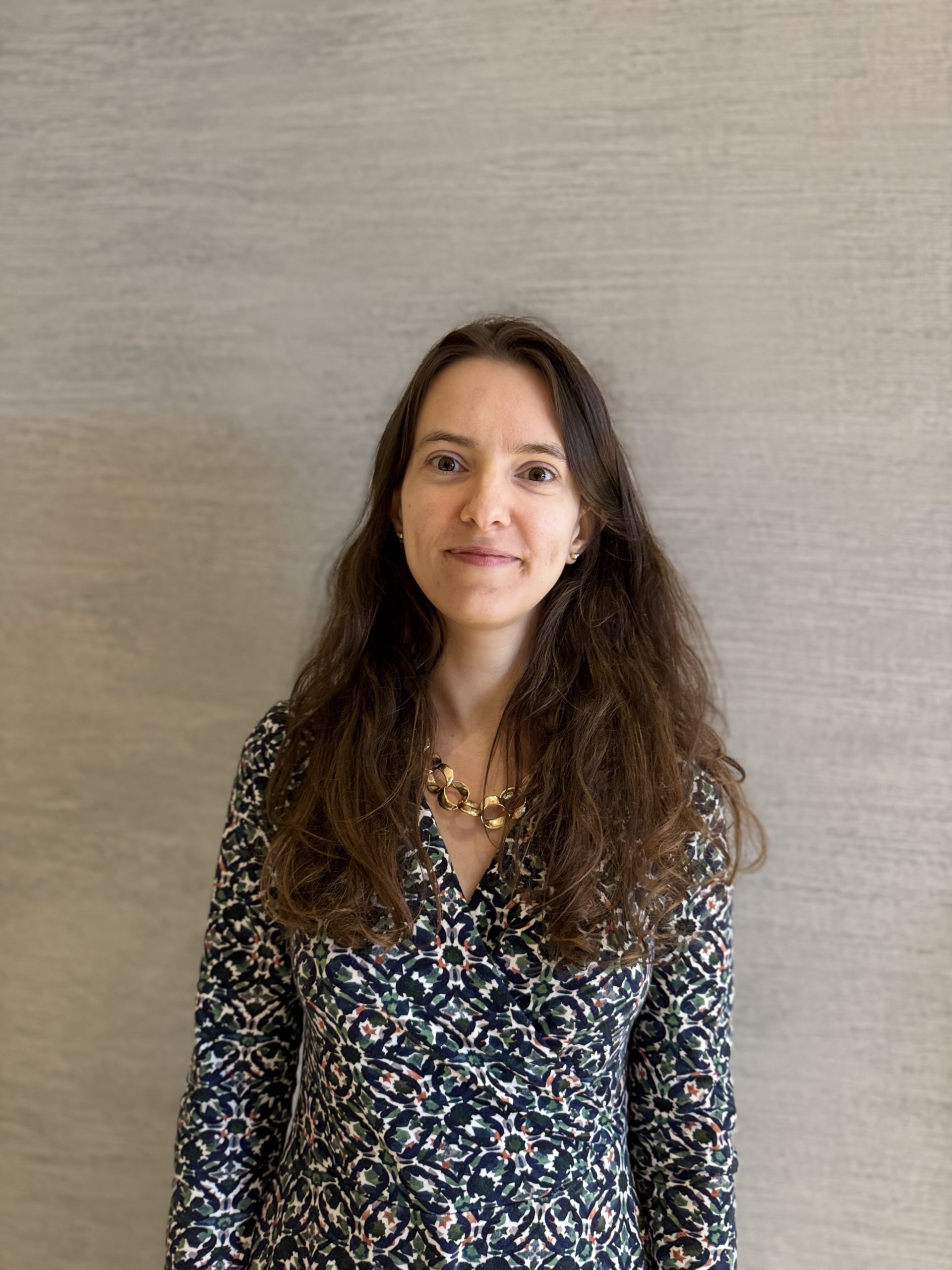
Agata Bidas is a PhD researcher at the University of Innsbruck in the Department for the Future and Theory of Law. She is a law graduate of the University of Warsaw and holds a master’s degree in Development Studies from the University of Vienna. Her academic and research interests lie at the intersection of international law and international relations, with a particular focus on international security, the EU’s Common Foreign and Security Policy (CFSP), climate policy, as well as human rights and the rule of law. Alongside her academic work, Agata is an active member of the Vienna-based NGO International Community, where she promotes youth education in international politics and organizes initiatives to promote informed debate on pressing global challenges among young people.
Camille Mauryi
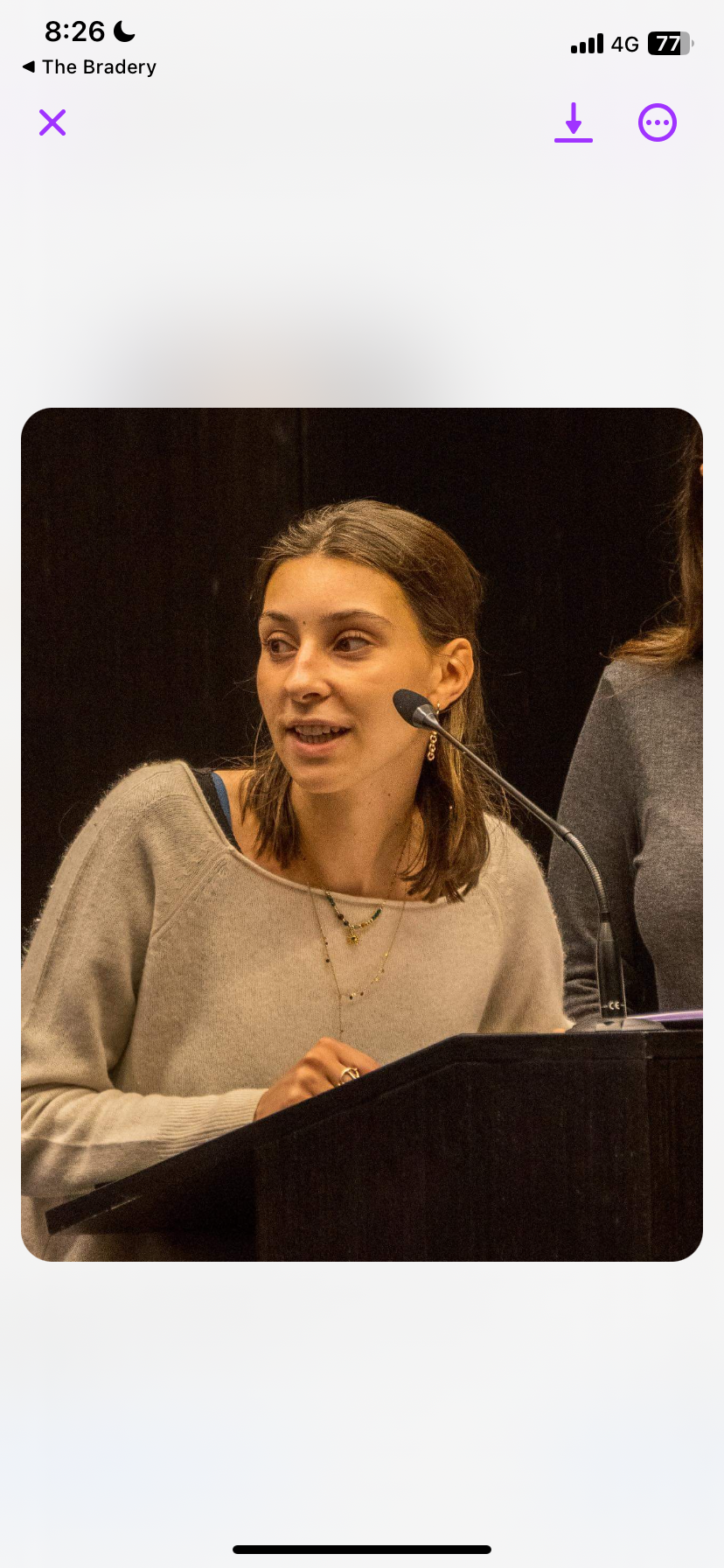
Camille is a graduate student at the School of Public Affairs at Sciences Po Paris, specializing in security and defense. She holds a Bachelor’s degree in History, where she developed a strong interest in military history and European and Russian affairs.Highly committed to public service for several years, she has contributed to organizations such as Sorbonne ONU, the Pharos Observatory, the Order of Malta, and the Jacques Delors Institute. Her work and research focus on key security issues, including terrorism, intelligence, conflict dynamics, diplomacy and European strategic challenges. Camille aims to pursue a career in the field of security and defense, either within French national institutions or at the European level.
Raffaele Perrone
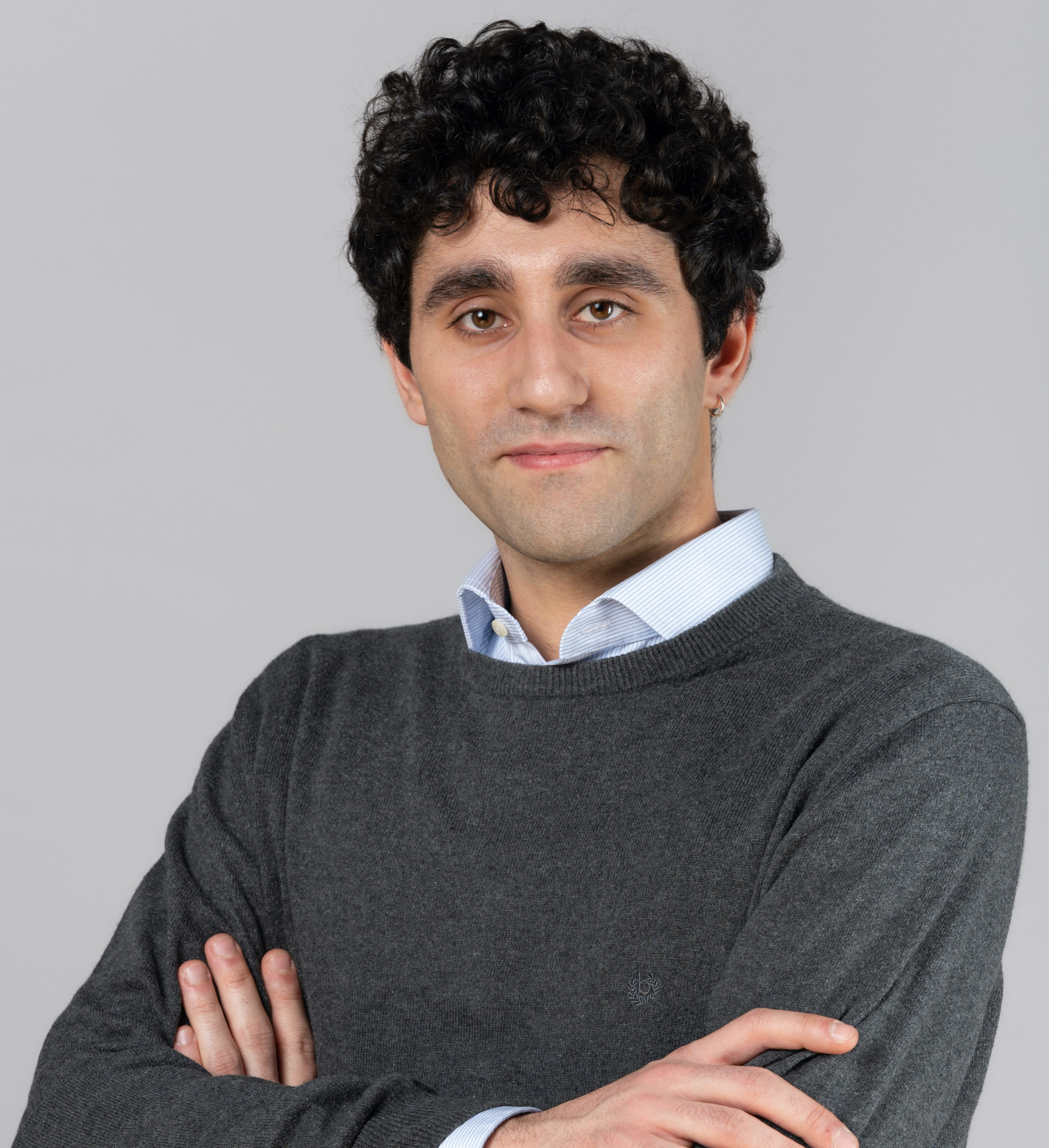
He holds a Master’s degree in European and International Policies from Università Cattolica del Sacro Cuore in Milan (Italy), where he graduated with a thesis on Türkiye’s evolving security doctrine towards the Mediterranean, and a Master in Diplomacy from ISPI. He has worked as a Parliamentary Assistant at the Italian Senate’s EU Affairs Committee, supporting the scrutiny of EU legislative proposals and contributing to analyses on sanctions mechanisms and their geopolitical implications. He later served as an Associate Analyst at NATO SHAPE, contributing to regional assessments and strategic reporting on developments across the Mediterranean. His research interests include crisis analysis, foreign policy, and the evolving security landscape of the wider MENA region.
Kate Fennell

Kate Fennell is a final-year undergraduate studying Political Science and Economics at Trinity College Dublin. She is passionate about the intersection of economic development and conflict, using data-driven research to deliver results. As an OSINT Analyst for the Southern Africa desk with Global Weekly, she uses spatially geo-coded data to map conflict occurrences. She recently completed her Erasmus-year at the University of Bologna, Italy, undertaking courses from the Crime, Peace and Security Master’s.
Kate is keen to contribute to international development matters, particularly in the areas of peace and defence. As a volunteer with Mustard Seed Communities since 2019, she has travelled to both Jamaica and Zimbabwe to participate in their sustainable development programmes. She is furthermore, working on a ‘Know Your Rights’ research project with Mercy Law Resource Centre, Dublin helping those facing homelessness. After she finishes her undergraduate studies, she is looking to complete a masters in Economics for Development.
inally from France, she has lived in Vietnam for seven years and the Netherlands for three.
Sabina Kulueva
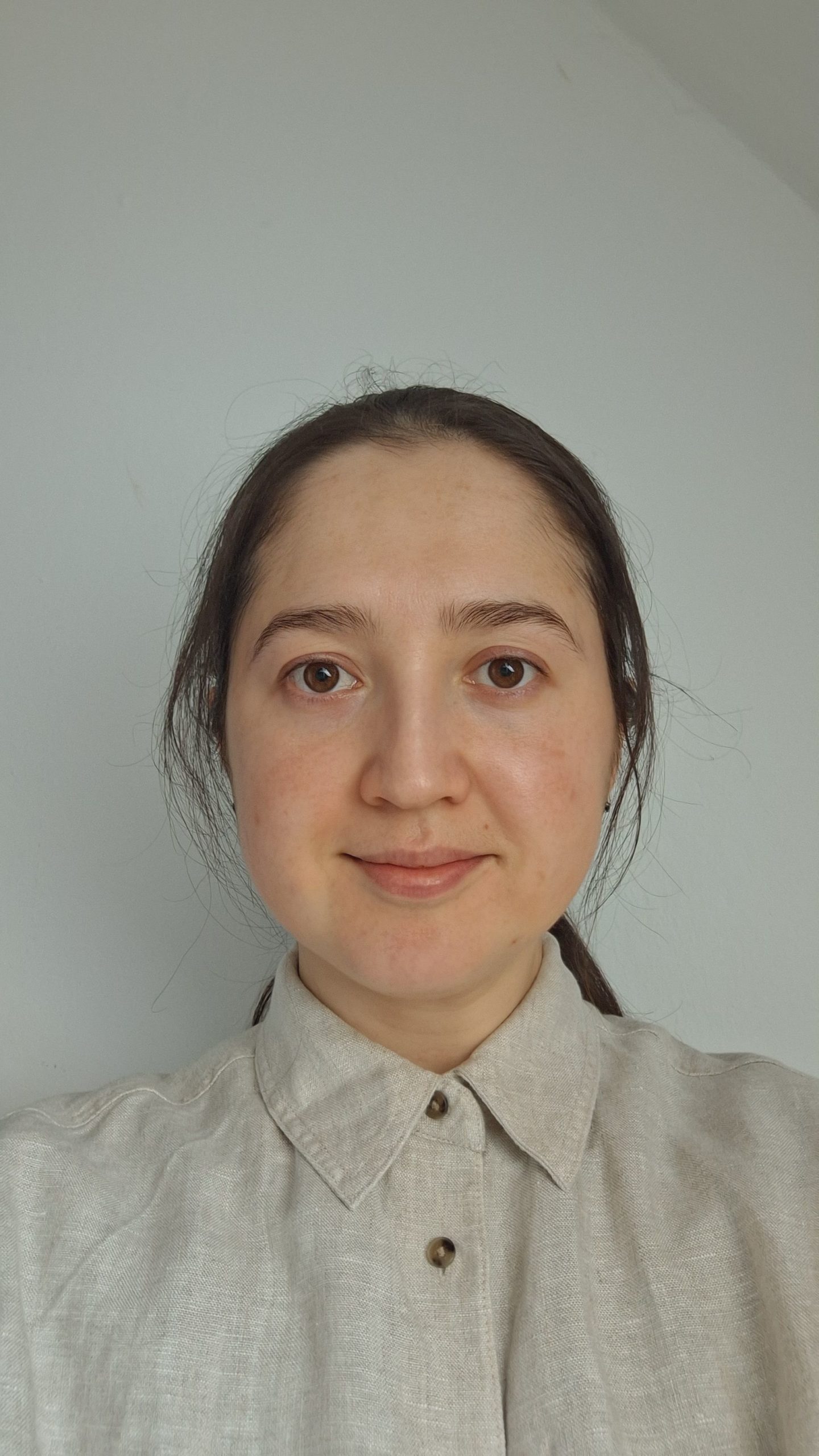
Sabina Kulueva holds a Bachelor’s degree in Middle Eastern Studies from Kazan Federal University and has recently completed her Master’s degree in International Relations at Bremen Universität and Constructor (formerly Jacobs) University. During her academic studies, she completed internships and worked as a research assistant on various projects in Lebanon and Germany. Sabina’s primary research interests include the study of armed conflicts and the factors that lead to their extension or contribute to the peacebuilding process. For example, since 2021, she has been engaged in research on an intrastate armed conflict between Türkiye and the PKK at the international project “Conflict Barometer,” launched by the Heidelberg Institute for International Conflict Research. She is fluent in Tatar, Russian, English, and Turkish and is currently learning German. In October 2024, she joined ETS as a researcher in the Security & Defense Working Group.
Aryaman Srivastava

Aryaman is a final-year undergraduate student studying Politics and International Relations at University College London (UCL). His academic interests focus on European security and defence, peacebuilding, nuclear disarmament and non-proliferation, and United Nations affairs. He has contributed to research on nuclear disarmament and arms control frameworks, with a particular interest in non-proliferation regimes and nuclear safeguards. Aryaman has held various research and editorial roles, including serving as Research Manager at Global Weekly, where he coordinated policy-focused research and writing. He has also worked with Global Human Rights Defence and contributed to the Migration Youth & Children Platform’s Research Task Force. He is particularly interested in evidence-based policymaking and bridging academic research with real-world international security challenges.