
 The Digital Monroe Doctrine: rebranding copyright infringement as a military asset
  Transformative Justice in the Syrian Transition
  Strategic Pragmatism: A New Approach to European Engagement in Africa
  Special Issue “Role of AI and Automated Decision-Making Systems in Asylum and Migration”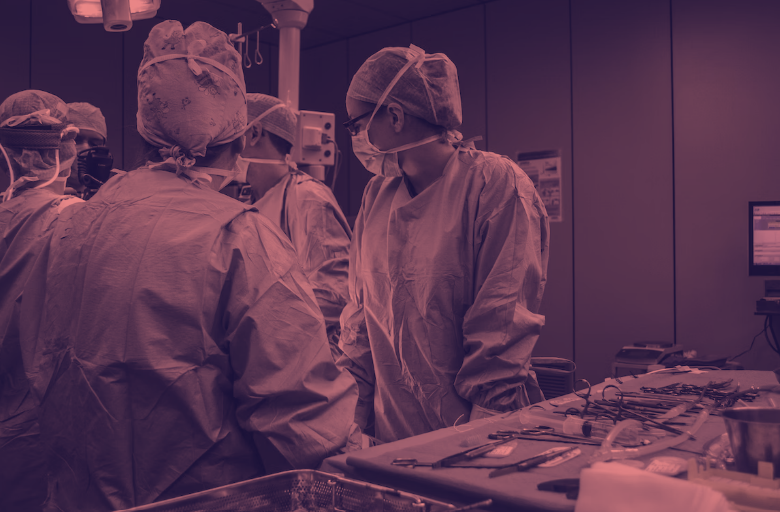
Written Christos Tsagkaris, Marios Papadakis, Lolita Matiashova
The need for social surgery is nowadays more dire than ever, due to the exponential increase of the driving factors of surgical diseases in modern societies. During the last decades, high rates of urbanisation have been linked to increased incidence of colon, liver, and pancreas cancer and appendicitis. Sedentary lifestyle and obesity have translated into higher orthopaedic surgical volumes. Climate change has jeopardised surgical supply chains, influenced surgery and pregnancy complications and increased the risk for massive trauma in the context of natural disaster. Finally, the COVID-19 pandemic has put a strain on surgical care and training, prolonged surgical waiting lists, and hindered screening and early diagnosis of operable non-communicable diseases (NCDs). Even though innovation in surgery has made big leaps in personalising surgical planning, advancing minimally invasive approaches and improving surgical outcomes, the risk of losing the race to the mounting drivers of surgical morbidity is significant. This recalls the hippocratic doctrine of prevention over treatment, in the sense that preventing surgical disease and their complications can safeguard the access of those with non-preventable disease to better surgical care.